
Bunion Warning Signs
Learn the early signs of bunion development and how Dyker Park Footcare in Brooklyn can help. Expert bunion diagnosis and treatment.
Bunions are one of the most common progressive foot deformities seen in podiatry offices, yet many people overlook the earliest warning signs. A bunion develops when the big toe slowly shifts toward the second toe, causing the joint at the base of the big toe to enlarge and protrude. This can result in discomfort, changes in walking patterns, and increasing difficulty finding comfortable footwear. Although genetics play a strong role, factors such as tight shoes, flat feet, high arches, and repetitive pressure can all accelerate bunion formation.
Recognizing the early signs of bunion development is essential. When detected early, bunions are much easier to manage and may be slowed or prevented from progressing. Here are three early symptoms that often appear before the bunion becomes visually obvious.
1. A Noticeable Bump at the Base of the Big Toe
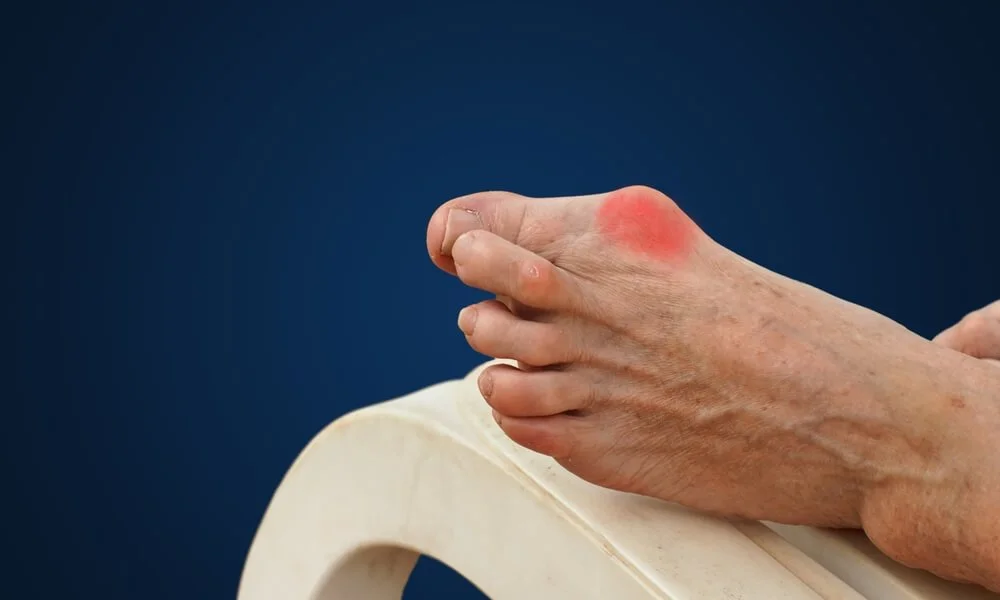
One of the first signs many patients observe is a small bump forming along the inside of the big toe joint. This bump may feel firm or tender when pressed, especially when wearing snug shoes. Although it may start small, the deformity tends to grow gradually as the joint shifts out of alignment. The earlier this change is addressed, the better the chance of preventing the bump from becoming prominent or painful.
Often, patients describe their shoes suddenly feeling tight in the toe area or noticing increased rubbing on the side of the foot. These are classic early indicators that the toe joint is beginning to shift.
2. Gradual Bending or Shifting of the Big Toe
Another key early sign is subtle bending of the big toe toward the second toe. At first, it may appear as a slight angling or mild pressure between the toes. Over time, the big toe can continue drifting until it overlaps the neighboring toe, causing additional toe deformities and discomfort.
This shifting occurs because the soft tissues, tendons, and ligaments are no longer supporting the joint correctly. As the imbalance progresses, the bending becomes more visible and more difficult to correct without intervention.
3. Skin Changes, Redness, and Irritation
As pressure builds along the toe joint, the surrounding skin often becomes irritated. Patients may notice redness, swelling, tenderness, or even the formation of corns and calluses. Repeated friction from footwear can lead to blisters and chronic inflammation.
These skin changes are early warnings that the joint is becoming misaligned and that the toes are rubbing against each other or against the inside of the shoe. Addressing these symptoms early helps prevent worsening inflammation and additional foot problems.
Why Early Detection of Bunions Matters
If left untreated, bunions can contribute to nerve compression conditions such as Morton neuroma, increased joint stiffness, and worsening arthritis. Early bunion treatment may include custom orthotic devices, toe spacers, physical therapy exercises, footwear changes, and activity modifications. When the deformity becomes severe or painful, bunion surgical correction may be necessary.
If you are noticing the early signs of bunion development, schedule an evaluation at Dyker Park Footcare, PLLC, located in Brooklyn, New York. Dr. Pasquale M. DeSanto, DPM, FACFAS and his experienced podiatry team provide advanced diagnostics and comprehensive treatment for bunions, heel pain, sports injuries, ankle sprains, fungal nails, plantar warts, and more. Call (718) 745 6220 or make an appointment online today.