
How Does Flat Feet Affect Your Health
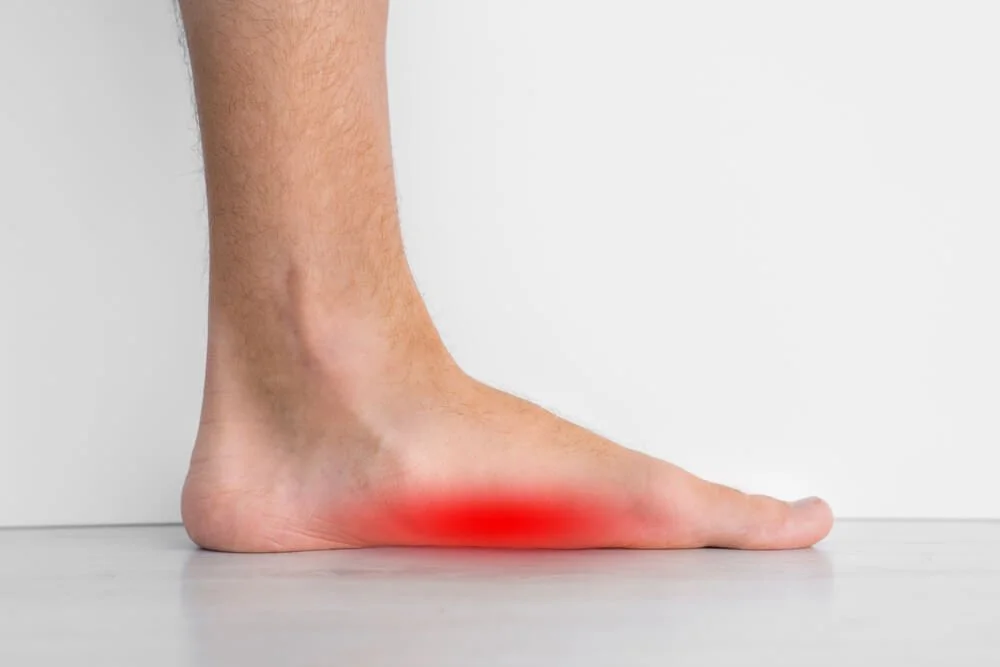
Understanding Flat Feet and How It Affects Your Health
Flat feet, also known as fallen arches, is a common condition that many people live with, yet few fully understand. This condition occurs when the arches of the feet either fail to develop properly or collapse over time. While flat feet are often painless, they can sometimes lead to discomfort or more serious health issues. In this blog, we’ll take a closer look at what flat feet are, their causes, symptoms, treatment options, and potential complications.
What Are Flat Feet?
Flat feet are characterized by the absence of a natural arch on the underside of the foot. In a healthy foot, the arch serves as a shock absorber, reducing impact when walking, running, or standing. When the arch collapses or fails to develop properly, the entire sole of the foot may make contact with the ground. Some people with flat feet experience no discomfort, but others may develop pain, especially in the heel or arch area. The condition may also affect overall mobility and posture.
Causes of Flat Feet
Several factors contribute to the development of flat feet. The most common cause is a genetic predisposition, meaning the condition can run in families. However, flat feet can also develop due to other factors:
Abnormalities at Birth: Some individuals are born with flat feet, which can be inherited or occur due to developmental issues.
Posterior Tibial Tendon Dysfunction: This tendon helps support the arch. When it is damaged or weakened, the arch can collapse, leading to flat feet.
Health Conditions: Certain diseases, like rheumatoid arthritis, can damage tendons and ligaments in the foot, contributing to the development of flat feet.
Tendon Injuries: Stretched or torn tendons, especially those supporting the arch, can cause flat feet over time.
Obesity: Carrying excess weight can place additional strain on the feet, potentially causing the arch to collapse.
Aging: As we age, tendons and ligaments lose their elasticity, which can lead to flat feet.
Pregnancy and Diabetes: Both can affect foot structure and contribute to the development of flat feet.
Symptoms of Flat Feet
Many people with flat feet experience no symptoms, especially if the condition is mild. However, others may develop discomfort. Common symptoms include:
Fatigue in the Feet: Feeling tired after standing or walking for long periods.
Swelling: Swelling in the inner side of the foot, particularly around the arch.
Foot Pain: Pain, especially in the heel or arch, can occur after extended activity.
Leg or Back Pain: Flat feet can affect posture, which may lead to pain in the legs, hips, or lower back.
Difficulty Moving: Some people with flat feet may experience difficulty walking or running.
If you notice any of these symptoms, it’s a good idea to consult a podiatrist. Early intervention can help prevent further complications and manage discomfort effectively.
Treatment Options for Flat Feet
In many cases, flat feet don’t require treatment, especially if they don’t cause pain. However, if flat feet are causing discomfort, several treatment options may help alleviate symptoms:
Orthotics: Custom insoles or arch supports can provide cushioning and help restore proper foot alignment.
Specialized Footwear: Shoes with built-in arch support can reduce strain on the feet and help manage discomfort.
Physical Therapy: Targeted exercises can strengthen foot muscles, improving foot function and reducing pain.
Medications: Over-the-counter pain relievers, such as NSAIDs, can reduce swelling and pain.
Surgery: In more severe cases, surgery may be necessary to correct the arch and relieve persistent pain.
Preventing Flat Feet
Unfortunately, flat feet are generally not preventable, especially if they’re congenital. However, taking steps to maintain good foot health can help minimize discomfort and prevent complications. If you suspect you have flat feet or notice any pain or discomfort, seek professional advice early on to explore treatment options.
Complications of Flat Feet
In some cases, untreated flat feet can lead to complications, including:
Chronic Pain: Persistent pain in the feet, legs, or lower back may develop.
Foot Deformities: If flat feet are left untreated, they can lead to permanent deformities in the foot structure.
Loss of Mobility: Flat feet can limit movement and flexibility, making it difficult to perform certain activities.
Infection: After surgery or injury, complications like infection may arise.
Flat Feet pain isn’t something you have to live with. Dyker Park Footcare is here to help.
Flat feet may be a common condition, but it’s important not to ignore it if it’s causing discomfort. Whether the condition is mild or severe, seeking advice from our Foot and Ankle Doctor can help prevent further issues. With early intervention, most cases of flat feet can be managed effectively, allowing you to lead an active, pain-free life.
At Dyker Park Footcare, located in Brooklyn, NY, Dr. Pasquale M. DeSanto, DPM, FACFAS and his experienced podiatry teamspecialize in diagnosing and treating foot disorders like flat feet. If you’re experiencing discomfort or have concerns about your feet, call us today at (718) 745 6220 or make an appointment online today.